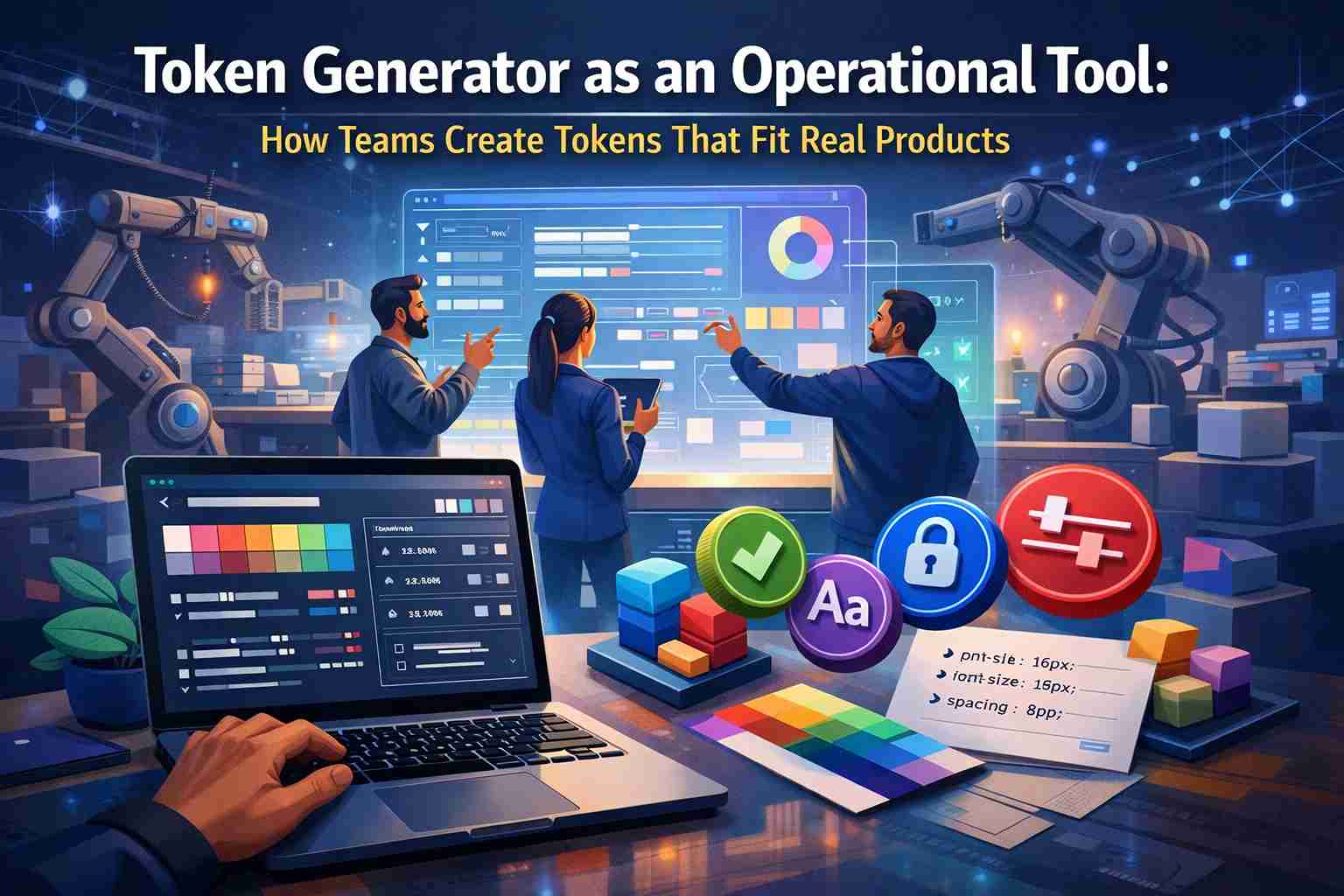
Token Generator as an Operational Tool: How Teams Create Tokens That Fit Real Products

The narrative around blockchain tokens has matured. In 2025, tokens are no longer viewed as speculative assets or promotional tools. Instead, they are operational elements—components that help products function, communities coordinate, and platforms scale. As a result, token creation has moved closer to everyday product operations.
This shift has changed how teams think about token creation. Instead of custom engineering and long development cycles, more projects now rely on a token generator to create tokens quickly, safely, and predictably. A modern token maker or token creator allows teams to focus on how tokens are used, not how they are coded.
This article explores token creation from an operational perspective, explains why token generators are becoming standard infrastructure, and shows how platforms like 20Lab support real-world token use.
Tokens as Operational Components
In modern digital systems, tokens act as operational glue. They connect users to features, define incentives, and structure participation. Rather than existing in isolation, tokens often sit at the center of workflows.
Operational uses of tokens include:
- Granting access to product features or tiers
- Tracking usage or consumption
- Rewarding participation and engagement
- Coordinating governance decisions
- Representing internal credits or points
Because tokens affect day-to-day operations, teams need tools that allow them to create tokens reliably and integrate them smoothly into existing systems.
What Is a Token Generator in Operational Terms?
A token generator is a platform that automates the technical process of creating and deploying blockchain tokens using standardized smart contract templates. Instead of writing code, users configure token properties through a guided interface.
Most token generators allow teams to define:
- Token name and symbol
- Supply size and decimal precision
- Ownership and administrative control
- Blockchain deployment parameters
Once deployed, the token becomes an operational asset that can be integrated into applications, dashboards, wallets, and community tools.
Token Maker vs Token Creator: Why the Distinction Exists
The ecosystem uses multiple terms for similar tools because they emphasize different benefits:
- Token generator highlights automation and reliability
- Token maker emphasizes ease of use and speed
- Token creator focuses on ownership and intent
Modern platforms combine all three perspectives, allowing teams to move quickly without sacrificing clarity or control.
Why Operations Teams Now Create Tokens
Token creation is no longer handled only by engineers. Product managers, founders, and operations teams increasingly take ownership of token design because tokens influence workflows and incentives.
Teams choose to create a token when they need to:
- Automate access control
- Replace manual credit systems
- Align incentives across users
- Coordinate decentralized actions
- Scale engagement without adding complexity
Token generators make this possible by removing the technical barrier traditionally associated with blockchain development.
How Token Generators Fit into Operational Workflows
In modern product stacks, token creation has become a configuration step rather than a development task. Instead of scheduling engineering sprints, teams can deploy tokens as part of setup.
A typical operational workflow looks like this:
- Define the operational role of the token
- Configure supply and precision
- Assign ownership and permissions
- Deploy using a token generator
- Integrate the token into product logic
This approach allows operations teams to iterate quickly and respond to real usage data.
Why Teams Avoid Custom Token Development for Operations
Custom smart contracts provide flexibility, but they introduce complexity that operations teams rarely need. Writing and maintaining custom contracts often results in:
- Slower iteration cycles
- Higher costs
- Increased security risk
- Dependence on specialized engineers
A professional token maker uses standardized contracts that cover the majority of operational use cases, making them more practical for ongoing use.
Operational Use Cases for Token Creation
When used as operational tools, tokens unlock practical benefits across industries:
Access Management
Tokens determine who can access features, services, or content.
Usage Accounting
Tokens represent consumption units, credits, or points.
Incentive Distribution
Tokens reward actions that benefit the platform.
Governance Execution
Tokens enable voting and proposal mechanisms.
Community Coordination
Tokens signal participation and responsibility.
Token generators make these use cases accessible without heavy technical investment.
Behind the Scenes: How a Token Creator Executes Operations
Although token generators appear simple, they orchestrate a precise technical process:
- User input is validated
- Parameters are mapped to a standardized contract
- The contract is compiled
- Deployment occurs on-chain
- Ownership is assigned transparently
This automation ensures that operational decisions are implemented exactly as specified, without hidden behavior.
Common Operational Mistakes in Token Creation
Even with modern tools, operational missteps can occur. Common mistakes include:
- Creating tokens without integrating them into workflows
- Overengineering supply or permissions
- Losing clarity around ownership
- Treating tokens as marketing artifacts instead of tools
A reliable token generator reduces these risks by enforcing structure and visibility during setup.
What Operations Teams Should Look for in a Token Generator
When tokens are used operationally, the quality of the token maker matters.
A professional platform should provide:
Standardized Contracts
Predictable behavior across environments.
Clear Ownership and Permissions
Explicit control from day one.
Simple Configuration
No unnecessary technical steps.
Scalability
Tokens must work as usage grows.
Ecosystem Compatibility
Smooth integration with wallets and tools.
These features ensure that tokens remain manageable over time.
20Lab: Token Creation for Operational Reality
20Lab is designed for teams that use tokens as part of real systems. The platform focuses on predictability, usability, and transparency—qualities that matter in day-to-day operations.
Rather than positioning token creation as a technical challenge, 20Lab treats it as an operational configuration step.
Explore the platform here:
👉 https://20lab.app/
Creating a Token with the 20Lab Token Generator
The 20Lab Token Generator allows teams to configure and deploy tokens through a no-code workflow. Parameters are defined, reviewed, and deployed without writing smart contract code.
This approach is especially useful for:
- Startup MVP operations
- Utility tokens for platforms
- Community and governance systems
- Agencies delivering Web3 infrastructure
You can access the token creation flow here:
👉 https://20lab.app/generate/
No-Code Token Creation and Operational Agility
No-code token creators improve operational agility. When teams can create tokens without engineering delays:
- New ideas are tested faster
- Manual processes are automated
- Systems adapt to user behavior more easily
Token generators now play the same role in Web3 that no-code automation tools play in SaaS operations.
Token Generator Use Cases Across Operational Models
Token generators support a wide range of operational models:
SaaS Platforms
Usage credits and tiered access.
Gaming
In-game currencies and progression logic.
Creator Economy
Membership and loyalty systems.
Education
Credential and participation tracking.
DAOs and Communities
Governance and coordination mechanisms.
The same token creator can be adapted across all of these contexts.
Security as an Operational Baseline
Security issues disrupt operations. A professional token generator reduces risk by:
- Eliminating manual coding errors
- Using standardized contract templates
- Making ownership and deployment transparent
This baseline security is essential for operational continuity.
Where Token Generators Are Headed
Token generators are evolving to support deeper operational needs, including:
- More granular permissions
- Multi-chain deployment
- Integrated governance tooling
- Compliance-aware configuration
Platforms that focus on operational clarity today will define the next phase of token infrastructure.
Final Thoughts: Token Creation as an Operational Capability
The ability to create a token has shifted from a specialized engineering task to an operational capability. Modern teams use tokens to automate workflows, align incentives, and coordinate users.
A professional token maker like 20Lab allows teams to deploy tokens as dependable operational tools rather than experimental assets. As digital systems become more decentralized, token generators will remain essential infrastructure for running products, communities, and platforms efficiently.