Customer communication has always served as the essential foundation upon which successful business relationships are built, because it establishes trust and ensures that both parties remain aligned in their goals. However, the expectations placed on companies have changed significantly in recent years. People now demand instant replies, personalized interactions, and round-the-clock availability, expecting that every business they engage with will be ready to respond at any hour, tailor each conversation to their specific needs, and deliver answers without any noticeable delay. Most organizations find it nearly impossible to meet these demands specific and concrete data points to be meaningful. AI fills this gap with tools that respond faster, understand needs better, and stay consistent. This article examines exactly how AI reshapes the way businesses interact with their audiences, from understanding intent to measuring real results.
Why Traditional Customer Communication Falls Short in a Digital-First World
The Growing Gap Between Customer Expectations and Business Capacity
Customers today, having grown accustomed to the immediacy that modern digital communication channels provide, expect answers to their questions and concerns within mere minutes, not hours, and they are increasingly unwilling to tolerate any delays that fall short of this standard. Salesforce reports 83% of consumers demand immediate brand responses. Traditional call centers and email support desks, which rely on finite human staffing and sequential workflows, simply cannot keep pace with this growing consumer appetite for speed and immediacy. Hold times anger callers, slow email replies drive prospects to competitors, and understaffed weekend shifts create costly gaps. The issue is structural, not effort-related. It is a structural limitation built into support models that rely solely on human agents.
Channel Fragmentation and Inconsistent Messaging
Modern customers reach out through phone calls, live chat, social media, messaging apps, and web forms. Maintaining a unified voice across all these touchpoints is a challenge that grows with every new platform. Without intelligent automation, messages fall through the cracks. One agent might promise a refund while another cites a different policy. An AI receptionist solves much of this fragmentation by centralizing incoming inquiries and applying consistent response logic, regardless of the channel. This kind of technology ensures callers and visitors receive the same accurate information whether they phone in at 2 a.m. or send a chat message during peak hours. Companies that have adopted such tools report fewer miscommunications and stronger brand trust.
How AI Understands Customer Intent and Delivers Faster Resolutions
Natural Language Processing and Sentiment Detection
The true power behind AI-driven communication lies in natural language processing, commonly known as NLP. Rather than relying on rigid keyword matching, NLP algorithms interpret the meaning behind a customer’s words. If someone writes “I still haven’t received my order and I’m really annoyed,” the system detects both the factual issue (missing delivery) and the emotional state (frustration). This dual understanding allows the AI to prioritize the ticket, adjust its tone, and escalate to a human agent when the situation requires empathy that goes beyond automated scripts. The result is faster resolution and a customer who feels genuinely heard. As outlined in a detailed exploration of how artificial intelligence is reshaping modern communication, these capabilities are advancing rapidly thanks to improvements in deep learning architectures and training data quality.
Predictive Routing and Proactive Outreach
AI does more than react. It anticipates. By analyzing past interactions, purchase history, and browsing behavior, intelligent systems predict what a customer is likely to need before they even ask. A returning visitor who repeatedly views a pricing page, for example, can be greeted with a proactive chat offering a tailored discount or a guided walkthrough. Similarly, predictive routing assigns incoming queries to the most qualified agent or automated workflow based on the topic detected. This approach cuts average handling time and eliminates the frustrating experience of being transferred multiple times. Businesses that want to make these AI-powered pages discoverable should also invest in smart search engine optimization practices that drive the right traffic to self-service portals and knowledge bases in the first place.
Setting Up an AI Receptionist to Handle Calls, Chats, and Enquiries Around the Clock
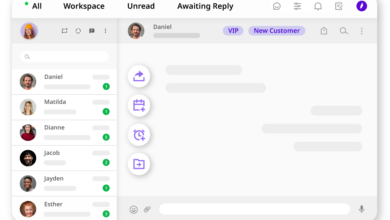
Deploying an AI receptionist is no longer a project reserved for enterprise-level budgets. Cloud-based solutions allow small and mid-sized businesses to go live within days rather than months. The setup typically involves connecting the system to existing phone lines, CRM platforms, and chat widgets. From there, the AI learns from historical conversations and company-specific FAQs to build a knowledge base it can draw on during real interactions. Appointments get scheduled automatically, common questions receive immediate answers, and complex cases are routed to the right department with full context attached. This means the human team spends less time on repetitive inquiries and more time on high-value conversations that truly require a personal touch. Businesses looking to strengthen the technical foundation of their online presence can also benefit from tools like a reliable meta tags generator for better search visibility, ensuring that customers find the right contact pages quickly.
Five Key Metrics That Prove AI Is Improving Your Customer Communication
Assessing how AI affects customer interactions demands specific and concrete data points to be meaningful. The following metrics, which have been carefully selected for their relevance and reliability, provide a clear and detailed picture of the progress that has been achieved in this area:
- First Response Time: Track average reply time; AI systems typically reduce it by 60% or more.
- Resolution Rate Without Escalation: Track AI-resolved queries without human help; aim for 70%–80% for simple inquiries.
- Customer Satisfaction Score (CSAT): Send brief post-interaction surveys; intelligent automation typically boosts CSAT by 10–25 points within one quarter.
- Average Handling Time: Measure interaction duration; predictive routing and pre-filled context reduce it significantly.
- Channel Coverage Rate: Measure AI-covered channels against total customer channels to eliminate blind spots.
A monthly review of these metrics helps pinpoint weak areas and refine the AI’s responses over time. The goal is ongoing improvement rather than a single one-time deployment of the system.
Blending AI Speed with Genuine Human Connection for Long-Term Loyalty
AI performs best in speed, accuracy, and consistency. However, despite the growing capabilities of artificial intelligence in handling routine communications, customers still place great value on authentic human interaction, particularly when they find themselves in sensitive, emotionally charged, or complex situations that require genuine empathy and understanding. The most effective communication strategies in 2026 intentionally combine both elements. AI manages the initial greeting, collects relevant context, and resolves simple customer requests. The system transfers to a trained agent with full interaction history when nuance, negotiation, or emotional intelligence is needed. This handoff from AI to a human agent must feel completely invisible to the customer, so that the transition occurs without any noticeable disruption to the conversation flow. Customers should never have to repeat information or explain their problem again. Companies that truly master this careful balance between AI automation and human connection build lasting loyalty among their customer base, because those customers, having experienced the best of both worlds, come to appreciate the combination of immediate attention and responsive service paired with a real, empathetic human who genuinely cares about resolving their concerns.
Successful businesses will treat AI as a tool that amplifies their teams, not replaces them. Train your staff to work alongside these tools on a daily basis, make it a priority to review AI-generated responses regularly so that quality remains consistently high, and keep refining the system based on real feedback from customers and team members alike. This approach turns each customer interaction into a chance to build trust and grow your reputation.
Frequently Asked Questions
How do I measure the ROI of AI communication investments?
Track metrics like reduced call handling time, decreased escalation rates, and improved first-contact resolution percentages. Compare labor cost savings against technology expenses, and monitor customer retention rates before and after implementation to calculate true return on investment.
What mistakes should I avoid when rolling out AI customer service?
The biggest pitfall is launching without proper testing or staff preparation. Many companies also make the error of completely replacing human agents instead of using AI as a support tool. Start with simple inquiries and gradually expand capabilities based on performance data.
Where can I find a reliable AI receptionist solution for my business?
For businesses looking to implement intelligent phone answering systems, IONOS offers comprehensive AI receptionist solutions that integrate seamlessly with existing communication infrastructure. These systems provide natural language processing and can handle complex customer inquiries while maintaining your brand’s professional tone.
How can I ensure data privacy compliance with AI communication tools?
Choose vendors that offer GDPR-compliant data processing and provide clear audit trails for all customer interactions. Implement regular security assessments and ensure your AI systems can delete customer data upon request. Consider hosting solutions within your geographic region for additional compliance protection.
What are the hidden costs of implementing AI customer service tools?
Beyond the initial software licensing, businesses should budget for staff training, data migration, and system integration fees. Many companies overlook ongoing maintenance costs and the need for regular algorithm updates, which can add 20-30% to the first-year investment.