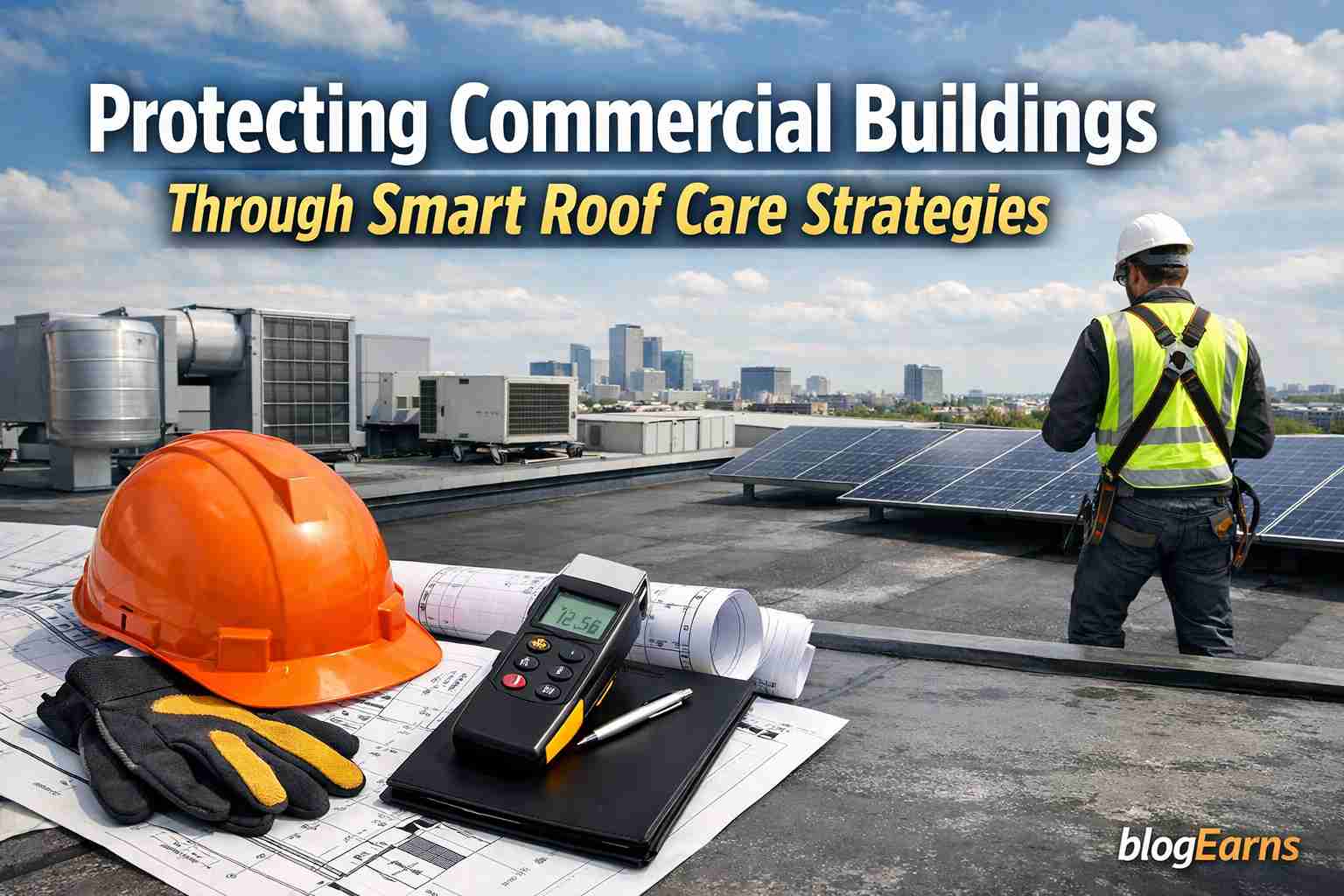
A commercial roof does much more than cover a building. It protects valuable assets, supports daily operations, and plays a major role in long-term property value. Yet roof systems are often overlooked until something goes wrong. Leaks, water damage, and structural issues can disrupt business and lead to costly repairs. This is why understanding commercial roof maintenance best practices is essential for building owners and facility managers.
Regular roof care is not just about fixing problems. It is about preventing them, especially in climates where weather conditions can change quickly. Paying attention to seasonal needs, including practical rainy season tips, helps ensure a roof performs as intended throughout the year.
Why Commercial Roof Maintenance Matters
Commercial roofs are exposed to constant stress. Sun, wind, rain, temperature changes, and debris all take a toll over time. Unlike residential roofs, commercial systems often cover large surface areas and support additional equipment such as HVAC units.
Without consistent maintenance, small issues can grow unnoticed. A minor crack or blocked drain can eventually lead to interior damage, mold growth, or even structural concerns. These problems are not just expensive to fix. They can interrupt business operations and create safety risks.
Commercial roof maintenance best practices focus on extending the life of the roof while reducing unexpected expenses.
The Importance of Routine Inspections
One of the most important best practices is regular inspection. Visual checks help identify early signs of wear before they turn into serious issues.
Inspections are typically recommended at least twice a year, often in the spring and fall. These times help assess damage from harsh weather and prepare the roof for upcoming seasonal changes.
Inspections should also take place after major storms. High winds and heavy rainfall can loosen materials, damage flashing, or introduce debris that blocks drainage systems.
Keeping Drainage Systems Clear
Water is one of the biggest threats to any roof. Standing water adds weight and increases the risk of leaks. For commercial roofs, proper drainage is critical.
Best practices include regularly clearing drains, gutters, and scuppers. Leaves, dirt, and other debris can build up quickly, especially during certain times of year.
This is where rainy season tips become especially important. Before periods of frequent rain, drainage systems should be checked and cleaned to ensure water can flow freely off the roof.
Managing Debris and Surface Cleanliness
Debris such as branches, trash, or accumulated dirt can damage roofing materials over time. It can also trap moisture, which accelerates deterioration.
Routine cleaning helps maintain the roof surface and reduces the risk of hidden damage. This does not mean aggressive cleaning methods, but rather careful removal of debris that does not harm roofing materials.
Maintaining a clean roof also makes inspections more effective, as issues are easier to spot.
Paying Attention to Roof Penetrations
Commercial roofs often have multiple penetrations for vents, pipes, and equipment. These areas are common sources of leaks because they require seals and flashing.
Commercial roof maintenance best practices include closely monitoring these penetrations. Seals can crack or degrade over time, especially with temperature fluctuations.
Early repair of compromised flashing helps prevent water intrusion and extends the overall life of the roof system.
Preparing for the Rainy Season
Weather patterns have a significant impact on roof performance. Rainy periods bring increased moisture exposure, making preparation essential.
Rainy season tips for commercial roofs include:
- Inspecting for existing cracks or weak points
- Ensuring all drainage components are clear
- Checking seams and flashing for integrity
- Confirming rooftop equipment is securely mounted
Addressing these areas before heavy rain begins reduces the likelihood of leaks and water-related damage.
Monitoring Interior Signs of Roof Issues
Roof problems are not always visible from the outside. Interior signs can offer early warnings.
Water stains on ceilings, unusual odors, or increased humidity inside the building may indicate roof issues. Regularly checking interior spaces, especially after storms, helps catch problems early.
Responding quickly to these signs can prevent further damage and costly repairs.
Documentation and Maintenance Records
Keeping detailed records is an often-overlooked best practice. Documentation of inspections, repairs, and maintenance activities provides valuable insight into roof condition over time.
These records help identify recurring issues and support better planning for future maintenance or replacement. They also provide useful information for budgeting and long-term asset management.
Why Preventive Maintenance Saves Money
It can be tempting to delay roof maintenance to reduce short-term costs. However, neglect often leads to much higher expenses later.
Preventive maintenance spreads costs over time and reduces the risk of emergency repairs. Small fixes are almost always less expensive than addressing major failures.
Commercial roof maintenance best practices emphasize prevention because it protects both the roof and the business beneath it.
Safety Considerations During Maintenance
Roof maintenance involves safety risks, especially on large commercial buildings. Best practices include following proper safety procedures and limiting roof access to trained personnel.
Uncontrolled foot traffic can damage roofing materials and create hazards. Establishing clear guidelines for roof access helps preserve roof integrity and ensures safety.
The Role of Seasonal Planning
Roof maintenance should follow a seasonal strategy. Different times of year present different challenges, from heat exposure to heavy rainfall.
Incorporating rainy season tips into a broader maintenance plan ensures the roof is ready for changing conditions. Seasonal planning also makes maintenance more manageable and predictable.
Long-Term Benefits of Consistent Roof Care
Consistent maintenance extends the lifespan of commercial roofs. It also improves energy efficiency by ensuring insulation and reflective surfaces remain effective.
A well-maintained roof contributes to a healthier indoor environment and protects valuable equipment and inventory.
From a property management perspective, regular maintenance supports asset value and reduces liability.
Final Thoughts
Commercial roofs are critical components of any building, yet they often receive attention only after problems arise. Following commercial roof maintenance best practices helps prevent damage, control costs, and protect daily operations.
By prioritizing routine inspections, clear drainage, and seasonal preparation, including practical rainy season tips, building owners can significantly reduce risk. Thoughtful roof care is not just maintenance. It is an investment in the long-term performance and reliability of the entire building.







Many people today are increasingly interested in subjects like Forex because of their major influence on global technology and financial systems. At the same time, the rise of markets such as Invest attracts individuals who want to explore new opportunities and learn how digital economies operate. Others choose to study areas like Insurance to understand long‑term strategies, risk management, and potential growth across different sectors.
I’m often to blogging and i really appreciate your content. The article has actually peaks my interest. I’m going to bookmark your web site and maintain checking for brand spanking new information.
i enjoy reading this great article, i have shared it many times on my website and started following you, Do you post more often ?? i am the owner of https://webdesignagenturbayreuth.de/ a webdesign agency in bayreuth Germany, webdesign agentur bayreuth, you can link up if you are interested. Thank you
Hi there to all, for the reason that I am genuinely keen of reading this website’s post to be updated on a regular basis. It carries pleasant stuff.